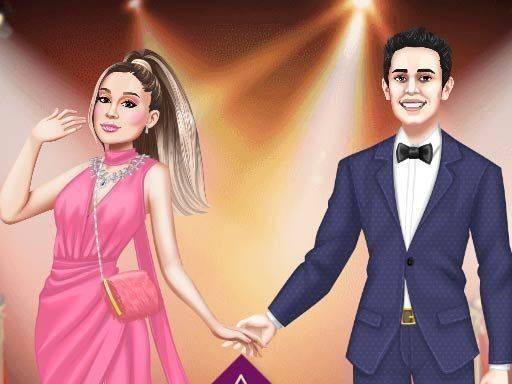
Matching Outfits for Two focuses on coordination rather than competition. You pick a scenario, browse clothing categories, and style two characters without timers or scores. The detail station for hairstyles and lip colors adds personalization. Friendly character reactions reinforce a supportive tone. This suits younger players or anyone wanting a relaxed creative activity. The main limitation is the absence of challenge or progression beyond styling itself.
Each session starts with a scenario choice, such as a party, a school day, or a dance studio visit. The goal is to assemble outfits that suit that setting. You browse categories like tops, bottoms, dresses, shoes, and accessories, then apply them to both characters. The interface uses simple clicks or taps, so trying different combinations stays quick. Because the focus is coordination rather than competition, there is no pressure to beat a clock or outscore anyone.
The wardrobe holds a broad range of clothing and accessories, spanning casual wear to more formal attire. You can mix and match pieces across both characters to build distinct looks. This variety encourages experimentation with colors and patterns. Selecting and combining items is the core activity; no complex rules or objectives sit on top of it. The game gives you room to test unusual pairings without penalty.
After settling on main outfits, you can visit a station to adjust finer details. This includes choosing different hairstyles and lip colors for the characters. These options add another layer of personalization, letting you refine each look until it feels right. The ability to change these details helps each styled pair feel unique and tailored to your preferences. You can take your time here, since nothing forces a quick decision.
The game is built around positive reinforcement. When you make selections, the characters react in a friendly, encouraging way. This feedback keeps the experience supportive rather than judgmental. There are no wrong choices, which frees you to try unexpected combinations. Controls require only basic mouse clicks or screen taps, and there are no timers or scoring systems. That makes the game suitable for younger players or anyone seeking a low-stress creative activity.




Comments
0 comments