Bounce Star Arcade Game works because it does not pretend to be more than it is. The single-click control scheme makes it immediately accessible, while the varying heights and speeds of the stars provide a genuine timing challenge. The shop and high score systems add light progression and personal goals without turning the experience into a competition. This is best suited to players who want a calm, repeatable arcade distraction rather than a skill-heavy test. The main limitation is that the core loop is intentionally narrow, so anyone seeking deep mechanics or varied game modes will find it thin.
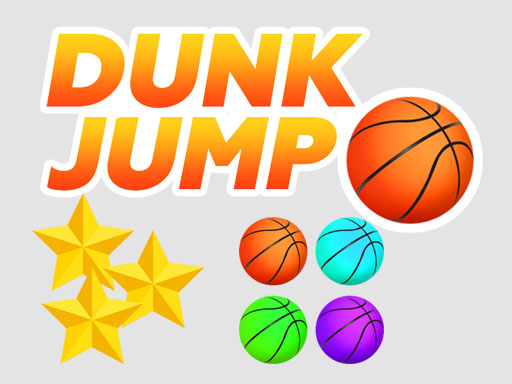
Bounce Star Arcade Game strips the arcade sports format down to a single input: a mouse click. Every click sends the ball upward. Stars appear at varying heights and drift at different speeds, so the real task is not clicking fast but clicking at the moment the ball's path intersects a star. There are no levels to clear, no timers, and no complex control schemes. The entire session is a loop of watching, timing, and jumping. [IMG_1]
Each star you collect adds to a running total. That total feeds into the in-game shop, where accumulated stars unlock new balls. This creates a light progression layer on top of the moment-to-moment play: the more accurately you time your jumps, the faster you expand your ball selection. The high score system tracks your personal best, giving each session a benchmark to beat without introducing competitive pressure. [IMG_2]
Stars do not follow one fixed pattern. They float at different heights and speeds, which means a rhythm that works for one cluster may fail for the next. The practical skill is pattern recognition: noticing where a star is heading and whether the ball's jump arc will meet it. Because the game has no time limits, you can pause mentally between clicks and wait for a better opportunity rather than forcing a low-percentage jump. [IMG_3]
The design is clean and colorful, with a palette that keeps the ball and stars easy to distinguish against the background. That clarity matters because the core challenge is visual timing. Sessions can be as short as a quick break or extended for as long as you stay focused. The absence of pressure mechanics makes it suitable for players who want a low-stakes arcade experience rather than a demanding reflex test.





Comments
0 comments