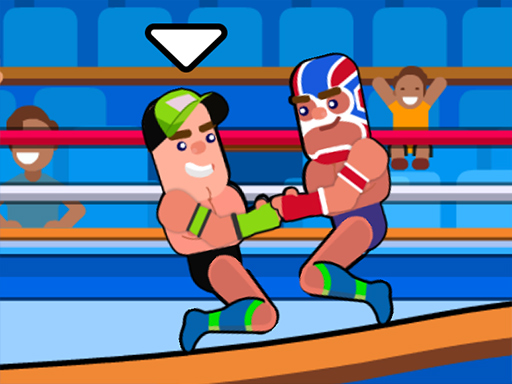
Platform Brawl Arena Online keeps its rules minimal: jump into opponents to knock them off the platform, collect coins, and unlock skins. The three modes—solo against AI, local two-player, and online multiplayer—cover different social settings without changing the core loop. The coin system adds a risk-reward decision to each match. The main limitation is that the game's depth comes entirely from timing and positioning, so players looking for complex mechanics may find it thin.
The core objective in Platform Brawl Arena Online is to knock opponents off the arena platform by jumping into them at the right moment. It is not a fighting game in the traditional sense; there are no combos or health bars. Instead, success depends on reading movement, anticipating where an opponent will land, and committing to a jump at the exact moment that sends them flying while keeping your own footing. The arena itself is a clear, focused environment, which means every fall is a direct result of a positioning or timing error rather than environmental hazards.
Single player mode pits you against computer-controlled opponents, giving you space to practice jump timing without the pressure of a live rival. Two player mode lets two people share the same device for local matches, which works well for quick head-to-head sessions. Online multiplayer connects players from around the world for real-time competition. All three modes follow the same win condition: be the last player on the platform. Rounds are short and repeatable, so you can start and stop without a long commitment.
Coins appear around the arena during matches. Collecting them adds to your score and contributes to unlocking new character skins. This creates a second layer of decision-making: chasing coins can pull you out of a safe position, so you have to weigh the reward against the risk of being knocked off. The skin unlock system provides a sense of progression and customization that extends beyond individual matches.
Because the control scheme is simple, using directional inputs to move and jump, the skill gap comes from anticipation rather than mechanical complexity. Watching an opponent's approach angle and predicting their jump arc matters more than raw speed. Players who focus on positioning and movement patterns tend to survive longer than those who chase every engagement. The game is designed for lighthearted fun and suits players of various ages, but the timing element gives it enough depth to reward regular practice.







Comments
0 comments