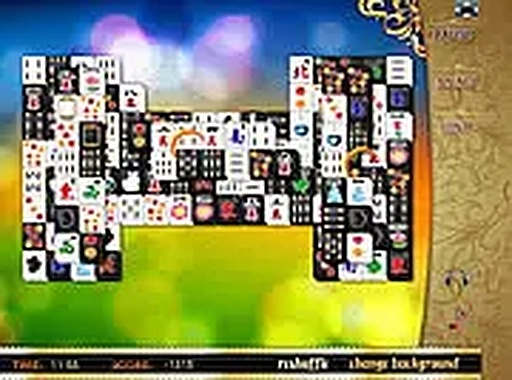
Monochrome Tile Match keeps its scope narrow and executes it well. The black-and-white palette serves a practical purpose: it reduces visual noise and makes tile positions easier to scan. With no timers or score pressure, the game suits players who want a low-stakes mental exercise rather than a competitive challenge. The main limitation is depth—there is no progression system, story, or difficulty curve described. It is a short-session puzzle, not a long-term commitment.
Every board in Monochrome Tile Match is built around one simple rule: each black tile has exactly one white partner somewhere on the grid. Selecting a black tile and then its matching white tile removes both from play. The challenge comes from scanning the board, remembering where you last saw a potential partner, and planning which pairs to clear first. Because the tiles are identical in shape and differ only in color, success depends on careful observation rather than quick reflexes.
The two-tone palette isn't just an aesthetic choice. With no color distractions, your eye naturally tracks the shapes and positions of individual tiles. This makes it easier to spot matches quickly and reduces visual fatigue during longer sessions. The high contrast also means the game remains readable on smaller screens, where colorful tile-matching games can become cluttered.
Monochrome Tile Match works with both mouse clicks and touch taps, so it plays the same way on a desktop monitor or a smartphone. A full-screen option is available for players who want a larger view, but the interface adapts smoothly to a standard browser window as well. No downloads or installations are required.
There are no countdowns, move limits, or score multipliers. You can study the board for as long as you need before making a selection. That relaxed structure makes the game suitable for younger players who are still developing pattern recognition, as well as adults looking for a low-stress mental exercise. Each board can be completed in a few minutes, and the tile arrangement changes with every new session, so the puzzle stays fresh without adding pressure.




Comments
0 comments