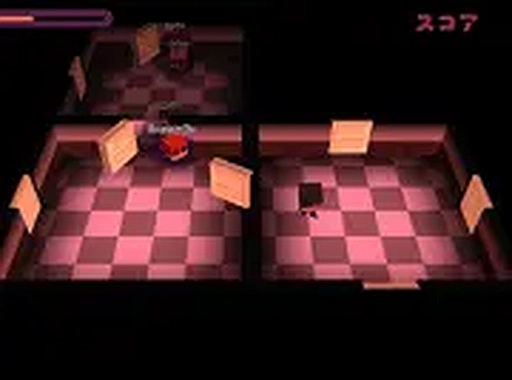
Hidden Chamber Puzzle Dash offers a straightforward loop: explore rooms, collect items, and avoid patrolling figures. The randomized layouts keep each run fresh, and the risk-reward decision of pushing deeper or retreating adds strategic weight. Simple keyboard and mouse controls lower the barrier to entry, while audio cues and dim lighting build mild suspense without graphic content. The game suits players who enjoy casual puzzle exploration and quick, repeatable sessions. The main limitation is that the input does not specify difficulty options or multiplayer, so the experience may feel repetitive for those seeking more variety.
Hidden Chamber Puzzle Dash places you inside a large mansion where every room presents a new scenario. Some chambers hold valuable items; others contain figures that patrol the area. You move your character from one space to the next, choosing which doors to open and when to retreat. The layout encourages memorizing room positions and identifying safe paths. Over time, you learn which areas tend to hold rewards and which require extra caution.
Every door you open carries uncertainty. You might find a useful item that helps you progress, or you might alert a nearby figure that forces you to flee. The game asks you to weigh potential gain against the chance of being caught. Do you push deeper into the mansion for better loot, or secure what you have and exit? This constant decision-making forms the core of the experience.
The game uses simple keyboard and mouse inputs. You move your character with arrow keys or by clicking on the screen. Opening doors requires a single click or key press. There are no complicated combos or menus to learn, letting you focus on exploration and strategy. The game runs entirely in a desktop browser with no downloads needed.
The mansion environment uses dim lighting and detailed room designs to create a sense of mystery. Shadows and subtle sound effects hint at nearby figures before they appear. Paying attention to these audio cues can give you a few extra seconds to change direction or hide. Full-screen mode amplifies this atmosphere. The art style remains family-friendly, avoiding graphic or frightening imagery while still delivering mild suspense.
Each attempt to explore the mansion ends when a figure catches you, but you can start a new run immediately. Room layouts and item placements change between sessions, so no two playthroughs feel identical. This randomness encourages you to adapt your strategy each time. You might focus on speed one round and caution the next. The simple loop of entering rooms, collecting items, and avoiding figures creates a satisfying cycle that invites repeated plays.








Comments
0 comments