
Railway Puzzle: Train Connect swaps the usual match-3 grid for rail lines, asking you to link same-colored wagons into complete trains. Early levels teach the pattern; later ones demand forward planning. Coins and bonuses reward efficient clearing. The tap-only control and family-safe tone make it easy to pick up, though players wanting fast action or multiplayer will find it too gentle. Its strength is a steady, low-pressure difficulty curve that respects both short breaks and longer sessions.
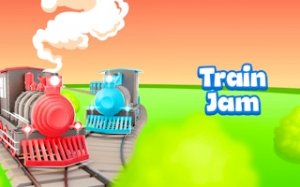
Railway Puzzle: Train Connect centers on a simple but specific action: tapping wagons of identical color to link them into a complete train. Each successful connection removes those wagons from the track, awards coins, and sometimes triggers bonuses. The match-3 label fits because the core loop involves grouping same-colored pieces, but the train theme gives it a distinct visual and logical twist. Instead of swapping gems on a grid, you work along rail lines, which changes how you scan the board and plan sequences.
Early levels are deliberately straightforward, giving players room to learn how connections work and how bonuses appear. As you advance, layouts become more complex, requiring you to think a few moves ahead. The goal is always to clear the required matches, but the arrangement of wagons and the track structure create small planning puzzles. Coins and bonuses accumulate as you play, feeding into a progression system that rewards consistent clearing rather than rushed tapping.
Input is limited to tapping or clicking, which keeps the game approachable for all ages. There are no timed reflexes or complex gestures. That simplicity supports short sessions, but the later layouts can hold attention for longer stretches. The cheerful, family-safe presentation means the content stays light, and the challenge comes from pattern recognition rather than pressure.
If you enjoy match-3 games but want a different spatial arrangement, the rail-track format offers a mild change of pace. Players who like to plan two or three moves ahead will find the later levels more satisfying than the early ones. Those seeking fast action or competitive multiplayer should look elsewhere, as the experience is built around relaxed, solo puzzle solving. The absence of a timer or fail state in the description suggests a low-stress approach, though the increasing complexity still provides a sense of accomplishment.





Comments
0 comments