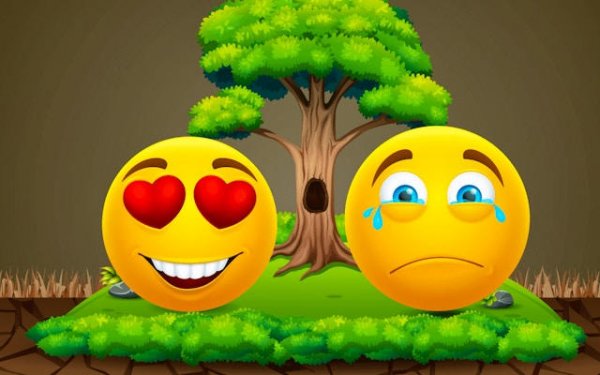
Feeling Face Pair Puzzle strips matching down to its essentials: scan a grid, find two identical emoji faces, and clear the board. There are no timers, scores, or competitive elements, so the experience stays relaxed and unhurried. Early layouts use clearly distinct expressions, while later stages introduce subtler variations or more tiles, adding challenge without pressure. The soft palette and minimal animations support the calm mood. This suits anyone who wants a short, low-stakes puzzle break, though players seeking fast-paced or competitive challenges may find it too gentle.
Feeling Face Pair Puzzle asks you to look at a grid of emoji faces, each showing a distinct emotion such as joy, sorrow, or wonder. Your task is to find two faces with the same expression and connect them. A correct pair vanishes from the board, and you continue until no tiles remain. The game depends on visual recognition, not speed or reflexes, so careful scanning matters more than quick tapping.
Early layouts use a small number of clearly different faces, which makes the matching straightforward. Later arrangements introduce subtler emotional variations or a larger number of tiles, so you need to pay closer attention to small differences in the expressions. The rule never changes, but each new layout encourages a slightly different approach to scanning and pairing. The difficulty rises gradually, keeping the experience unhurried.
The game uses familiar emoji faces that most people recognize immediately, which helps the matching feel intuitive. Soft colors and minimal animations keep the screen calm, and there are no flashing lights or distracting effects. When you match a pair, smooth feedback confirms the connection without pulling your attention away from the remaining tiles. The overall look supports a relaxed, focused mood.
No tutorial is needed. You tap or click two matching faces, and that is the whole control scheme. There are no timers, scores, or competitive elements, and you can pause or stop at any moment without penalty. That low barrier makes the game accessible to young children, older adults, and anyone who wants a short, gentle puzzle break during the day.


Comments
0 comments