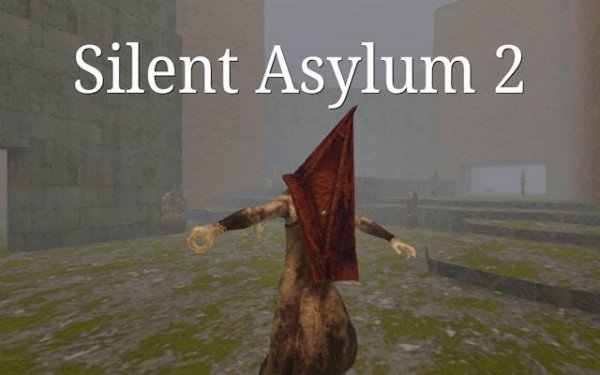
Fogbound Village Mystery Walks offers a patient, first-person puzzle adventure set in a foggy village. Its strengths lie in environmental puzzles that reward careful observation, a non-linear layout that lets you explore at your own pace, and a notebook that helps connect clues. Optional letters and photographs add narrative depth without being mandatory. The gentle difficulty curve suits newcomers and seasoned puzzle fans alike. However, players seeking action or fast-paced challenges may find it too slow. It is best for those who enjoy contemplative exploration and logical deduction.
A soft, persistent fog covers the village, muffling sounds and blurring edges. Streets wind between old shops and homes, each holding fragments of the community's history. The fog never feels threatening; it sets a contemplative mood that encourages close observation. Light filters through misty air, casting gentle shadows. Patience pays off here—every corner might hide a clue or a piece of the story.
Challenges rely on observation and logical deduction. You might match symbols from a weathered sign to a lock on a gate, or arrange objects to mirror a pattern from a diary. Puzzles draw from the environment, so thorough exploration is part of the solution. No arbitrary obstacles exist—each puzzle connects to the village's narrative. The difficulty curve stays gentle, making it accessible to newcomers while still engaging for seasoned puzzle fans.
Movement is simple: walk through the village using standard controls, and interact with objects by clicking or tapping. An in-game notebook automatically records notes, map pieces, and item descriptions. This notebook becomes your central reference, helping you connect clues across different locations. The village is non-linear—you can revisit areas freely. Progress happens as you solve puzzles and unlock new sections, but there is no pressure to rush. The game respects your pace.
The first-person view places you directly into the environment. Graphics emphasize mood over realism, with soft textures and muted colors that complement the foggy setting. Sound design plays a key role: distant footsteps echo on cobblestones, wind rustles through leaves, and occasional creaks from old buildings add texture without alarm. Music is sparse, used only to underscore moments of discovery. This combination creates an immersive, calming atmosphere that supports the game's focus on thoughtful exploration.
Scattered throughout the village are optional items that expand the narrative. Letters tucked inside drawers, photographs on mantels, and journal entries left in attics reveal personal stories of former residents. These collectibles are not required to finish the game, but they enrich the world and provide deeper context for the puzzles. Finding all of them adds a satisfying layer of completion for those who enjoy thorough exploration. The game encourages curiosity without demanding it.









Comments
0 comments