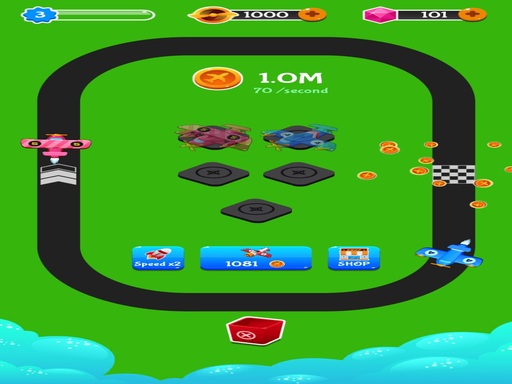
Merge Planes Puzzle Game combines a familiar merge mechanic with a light management layer. The core loop is straightforward: combine identical aircraft, free up space, and reinvest resources into more parking spots. What gives it structure is the tension between a limited apron and the urge to hoard planes. It suits players who like gradual progression and low-pressure decision-making. The main limitation is that the described systems are narrow, so anyone seeking deep simulation may find it thin.
Merge Planes Puzzle Game is built around a single, clear action: dragging one aircraft onto an identical one to combine them into an upgraded model. That simple input drives everything else. Each successful merge raises the value and capability of your fleet, and because the apron has limited space, deciding when to merge matters as much as doing it. Duplicates sitting idle take up room that could hold new arrivals, so clearing pairs early keeps the board workable.
Your starting setup is a small parking apron with a handful of basic planes. As merges produce better aircraft, you earn the resources needed to unlock additional parking spots and widen the apron. This creates a loop: merge to earn, spend to expand, then use the extra space to hold more planes and repeat. Players who plan their layout around future expansions tend to avoid the bottleneck of a full apron.
The long-term goal is not simply owning rare planes. Each aircraft contributes to the airline's overall capacity and appeal, which in turn attracts more passengers. That gives the merging decisions a strategic layer beyond matching pairs. You are effectively choosing which parts of your fleet to develop and when, with the aim of turning a modest operation into a powerful aviation empire. The pace is calm, so there is no pressure to rush upgrades.
The drag-and-drop controls and intuitive rules make Merge Planes Puzzle Game accessible to beginners, while the resource and layout decisions give experienced puzzle players something to think about. It rewards patience and forward planning rather than fast reflexes, making it a good fit for anyone who enjoys gradual, satisfying progression.






Comments
0 comments