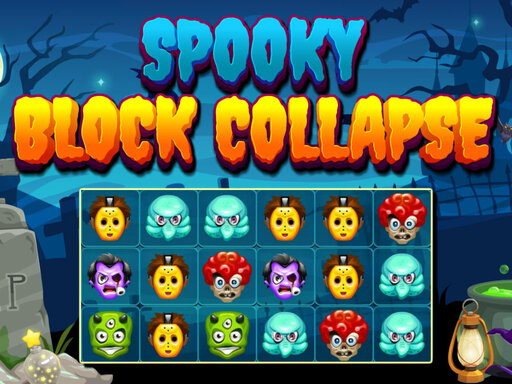
Block Collapse Puzzle keeps its rules simple but gives them real weight: group size determines points, large groups grant power-ups, and single taps cost 200 points. The projection box supports planning, and the no-penalty retry system removes frustration. Its playful, family-friendly theme and lack of a timer make it a comfortable pick for casual players and children. The main limitation is that the input describes no multiplayer or competitive mode, so it is best suited to solo play.
Block Collapse Puzzle is built around a single, clear action: tapping connected groups of two or more blocks to collect them. Each collection adds points, and the size of the group directly determines the reward. Larger groups are worth more, so the core decision each turn is whether to clear a small cluster now or wait and build a bigger one. A projection box displays the value of each potential collection before you commit, turning every tap into a small risk-and-reward calculation.
Collecting more than seven blocks in a single turn grants a power-up such as a Star, Arrow, or Magic block. These tools help clear stubborn sections of the board. The system also punishes careless taps: selecting a single block deducts 200 points from your score. That penalty makes group size the central strategic concern, especially when you are close to a level's target.
Every level sets a target score and requires you to clear all blocks on the board. Meeting both conditions advances you to the next layout. If you fall short, the game lets you retry the level without any penalty, so failed attempts cost nothing but time. Because there is no timer, you can study the board and plan each collection as carefully as you like. [IMG_1]
The playful theme and absence of pressure make this a comfortable fit for children and adults who want a low-stakes puzzle. Each level introduces a new arrangement of blocks, which keeps the board-reading challenge fresh across sessions. The game avoids violent or inappropriate content, and its forgiving retry system means progress depends on planning rather than reflexes.





Comments
0 comments